Searching For A Co-Founder Is How You Get A Bad One

Key Takeaways
- Treating a co-founder as a prerequisite is how you end up with a bad one — the failure mode that kills otherwise-perfect companies
- The founders who found great co-founders didn't search for them; they built until the right person showed up
- Co-founder relationships break in predictable ways: family power dynamics, close-friend passivity, and misaligned incentives nobody put on paper
- Retention is growth — "tuning up the burn" while ignoring the leaky bucket puts your company on luck
- Free users and viral posts aren't a business; the filter is what people will pay ten times more for
Listen: Apple Podcasts | Spotify
Introduction
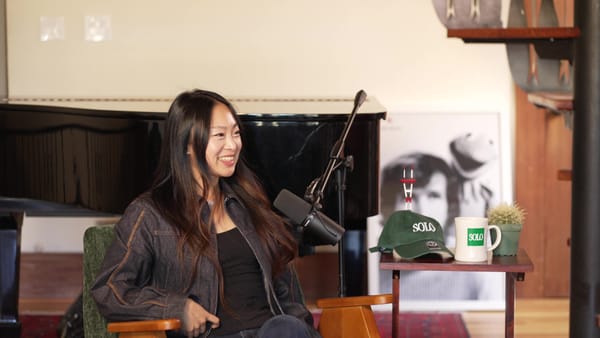
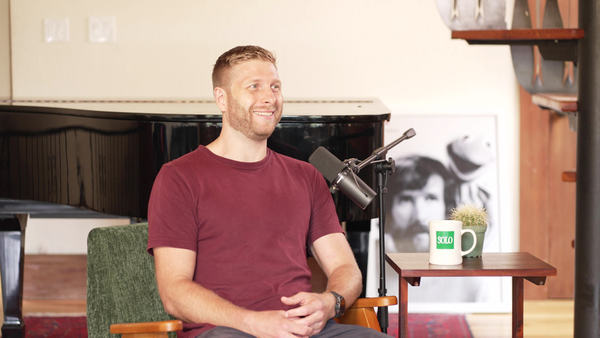
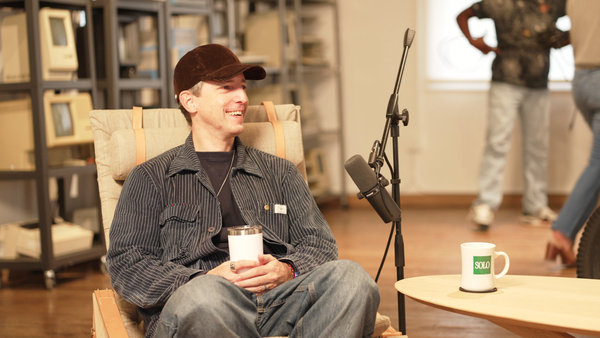
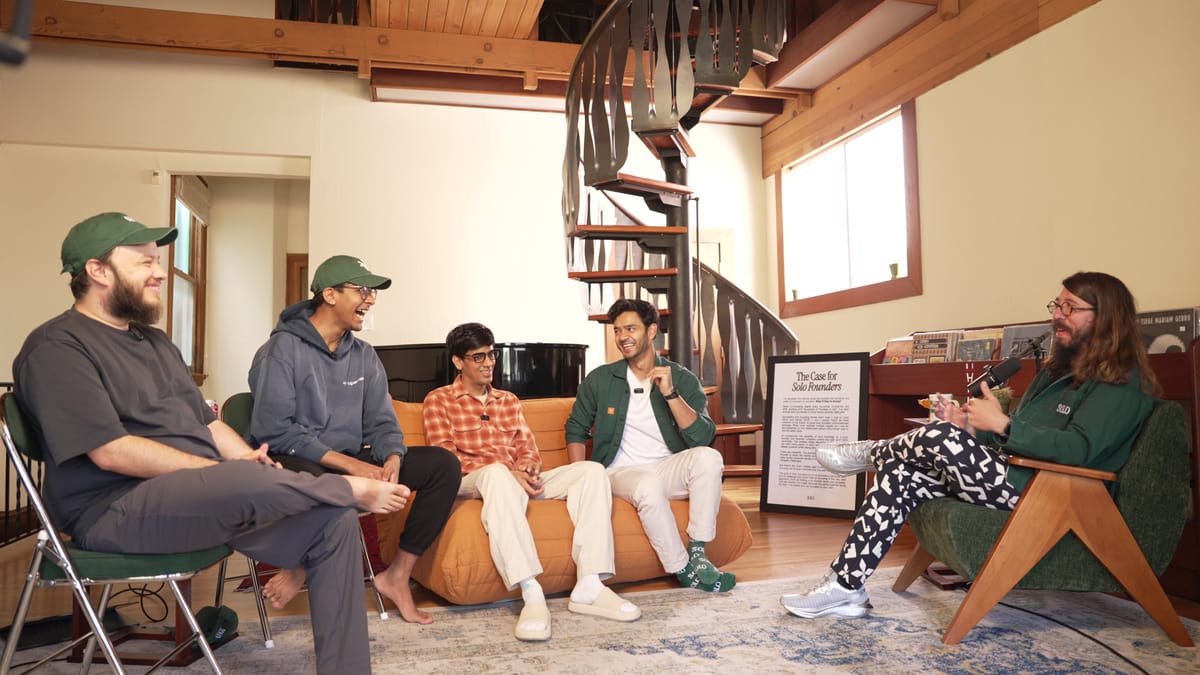
Four founders sat down with Julian this week carrying every co-founder scar between them: a family business started at 17 with dad as the co-founder, a best-friend split after two companies together, a startup with tier-one investors and big-name customers killed by one wrong person, and a search for a co-founder that ended in burnout before anything got built.
The four know each other well — Aldo Del Valle, who stayed deliberately solo for four years before his newest company; Chai Choudhary, who's building Workers.io after burning through two ideas he loved; Namanyay Goel of Giga; and Dhravya Shah, whose company Supermemory went from a viral MCP to a $3M raise backed by Jeff Dean. And the conversation they had wasn't the one you'd expect on a show called Solo Founders: it was almost entirely about co-founders — the ones that failed them, and the one Aldo just gained, which everyone at the table considers a win.
That's not a contradiction. It's the whole thesis.
The Bad Co-Founder Tax
Chai has seen both sides. His first company had a great co-founder — someone he'd known since school, values aligned, and it worked. Then he watched a company he worked with die with every advantage on the board.
"Everything was perfect: they had an excellent idea, a great market, they raised a lot of money from tier-one investors, they had big-name customers. And it all fell apart just because they had a bad co-founder."
The detail that stuck with him: the conversations the founders were having near the end were the ones they should have had before starting. By then it was too late. The company shut down.
Aldo's scars are more personal. His first co-founder was his dad — he was 17. The company is still running today, and the advice he gives from it is unsentimental: separate family issues from business issues, and put everything on paper — who decides what, and why. His second co-founder was a close friend from college who later spoke at his wedding. Two companies together, then a split.
"There's always someone a little more dominant, and someone a little more passive in terms of just accepting things. And that's pretty unhealthy, because relationships get eroded by that. And when you bring erosion, it's easier to crack."
After that, Aldo stayed solo for four years — his words: "because I didn't want to feel the same amount of pain."
Stop Searching, Start Building
Julian's framing of the show's actual position is worth quoting in full, because people get it wrong constantly:
"A lot of people, when they hear about Solo Founders and what we're doing, they think that we're saying that co-founders are bad. And in fact, we actually believe the opposite. We believe that great co-founders can be amazing, but that oftentimes people who think they need a co-founder to get started will ultimately end up with a bad co-founder because they think it's a prerequisite."
The roundtable is a live demonstration. One founder in the room admitted the co-founder search itself nearly took him out before he ever started: "I was trying to look for a co-founder, and I actually exhausted myself doing that. Super burnt out." What unblocked him wasn't finding the person — it was joining a community and starting anyway.
And then there's Aldo, the episode's quiet twist. Four years solo, four ideas deep into his current thread, one of his former investors — someone he'd worked with for five years — reached out and asked to join as founding engineer. Months of working together later, Aldo elevated him: more than a founding engineer. A co-founder. They consider themselves "like artist and producer, not like CEO and CTO," trading roles as the company needs.
"You don't have to wait to start something. And the best thing that can happen is bringing the right people to the company."
That's the playbook in one line. The right co-founder didn't come from a matching event or a search checklist. He came from years of demonstrated work — incentives visible, complementarity proven — attracted by a company that already existed because Aldo didn't wait.
The Wisdom Tax Everyone Happily Pays
Ask the group what they learned from each other and the answers get specific fast. From Aldo, the whole cohort absorbed retention: the smile curve, what numbers to expect, and the leaky bucket most founders refuse to look at. Chai's version of the lesson is the sharpest:
"I see a lot of founders I speak with — when things are going well, they just tune up the burn and don't care about anything else. I think it works, but you basically put a lot of things on luck. And if luck stops being on your side, you tank just as quickly."
Namanyay got pushed on a different axis: distinguishing real signal from hype. A viral post isn't traction. Free users aren't a business — "I've created maybe a free trend." The question Aldo kept hitting him with became his filter: what is something that people will pay you ten times more for?
This is what "solo, together" means in practice. Chai calls it "having five other co-founders with you" — people at different stages of the same journey, without the equity entanglement or the power dynamics that broke the earlier stories. Aldo's version is blunter: nobody in the room competes with each other, because they're all competing against something bigger and scarier — the market.
About the Guests
Aldo Del Valle started his first company at 17, stayed solo for four years after two hard co-founder splits, built Happypath, and is now building a new company with a co-founder he found by building. Chai Choudhary is the founder of Workers.io, which turns software reliability into a compute problem by simulating everything your customers can do. Namanyay Goel is the founder of Giga, a developer since his teens with a prior startup in India. Dhravya Shah is the founder of Supermemory (his full episode is here), which raised $3M backed by Jeff Dean and Dane Knecht.
Subscribe to the Solo Founders Podcast on YouTube, Apple Podcasts, or Spotify.
Join the newsletter for weekly insights from solo founders: solofounders.beehiiv.com
Building solo? Apply to the Solo Founders program: solofounders.com/program