1 in 3 Companies Are Now Solo-Founded. The Co-Founder Era Is Ending.

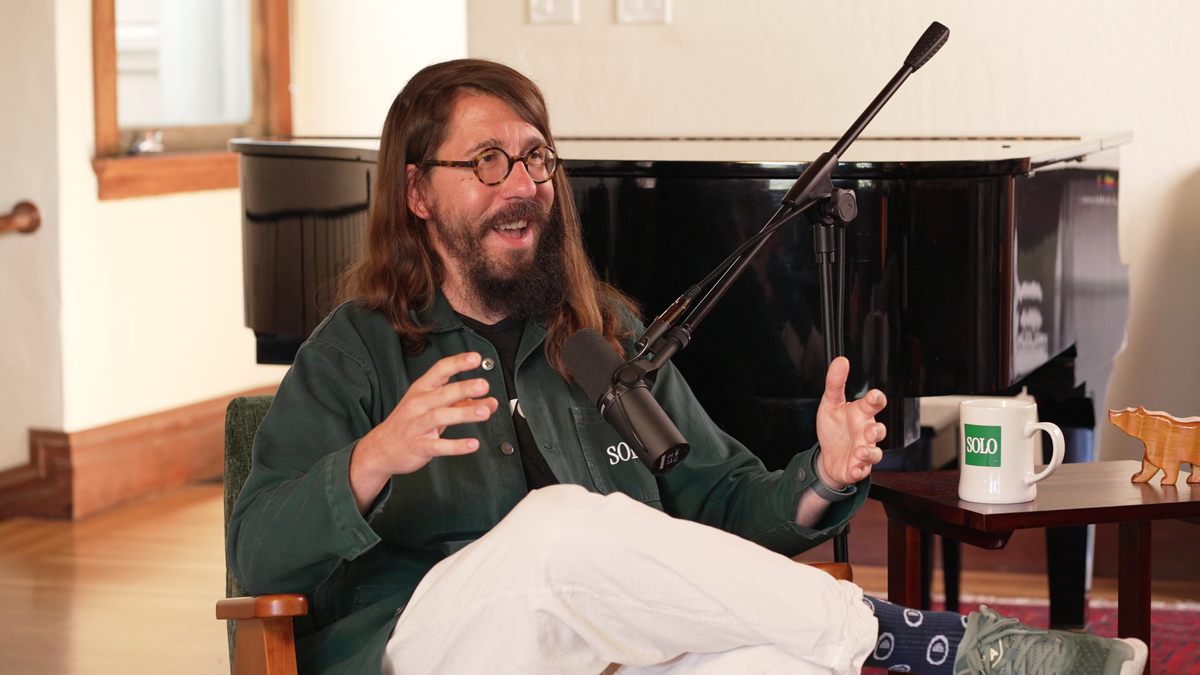
For the first time ever, more than one in three new companies are being started solo. Five years ago, that number was under 25%. The default is quietly flipping in plain sight.
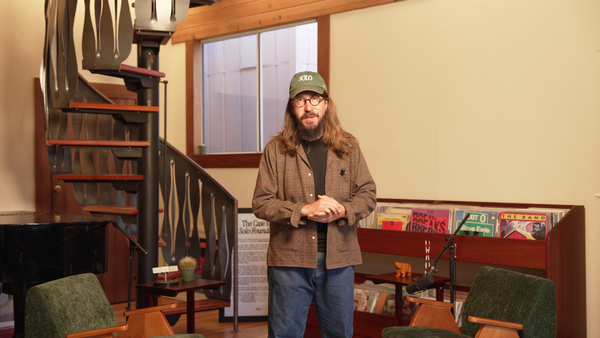
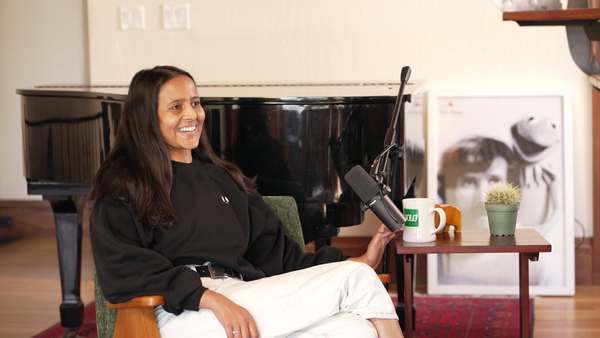
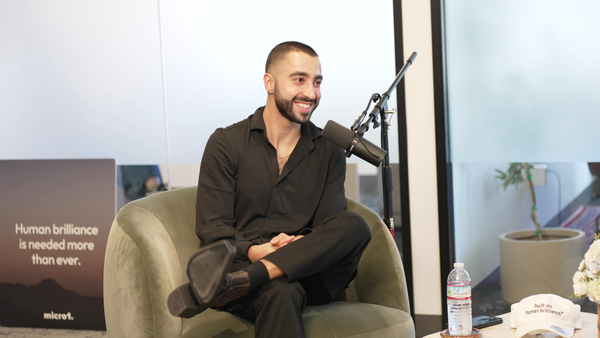
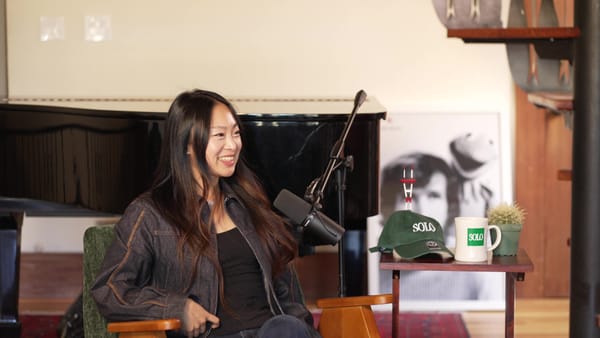
This week the host becomes the guest. Julian Weisser — who spent years helping people find co-founders through On Deck's 27 ODF cohorts, matching more than 1,000 founders who have collectively raised over $2 billion — sat down with David J. Phillips (CEO of Fondo, and one of the original solo founders Julian met at On Deck) for the full thesis behind Solo Founders. The conversation coincides with a piece of news: the next Solo Founders cohort is backing each solo founder with $100k.
What's striking when Julian explains the thesis at length — instead of in the ninety-second version he usually delivers on X — is how much of it runs on a single logical error he thinks the industry has been making for years. He calls it *denominator delusion*. The rest of the conversation is what follows when you fix the math.
Listen: YouTube | Spotify | Watch on X | Apple Podcasts
The Denominator Delusion
"The most successful startups have co-founders" is repeated often enough that it barely gets questioned. Julian's response is short: sure, and most of the failed startups have co-founders too. The industry looks at the numerator — the successes — and forgets to check the denominator. Worse, many of those failed companies didn't fail *despite* having co-founders. They failed *because of* them!
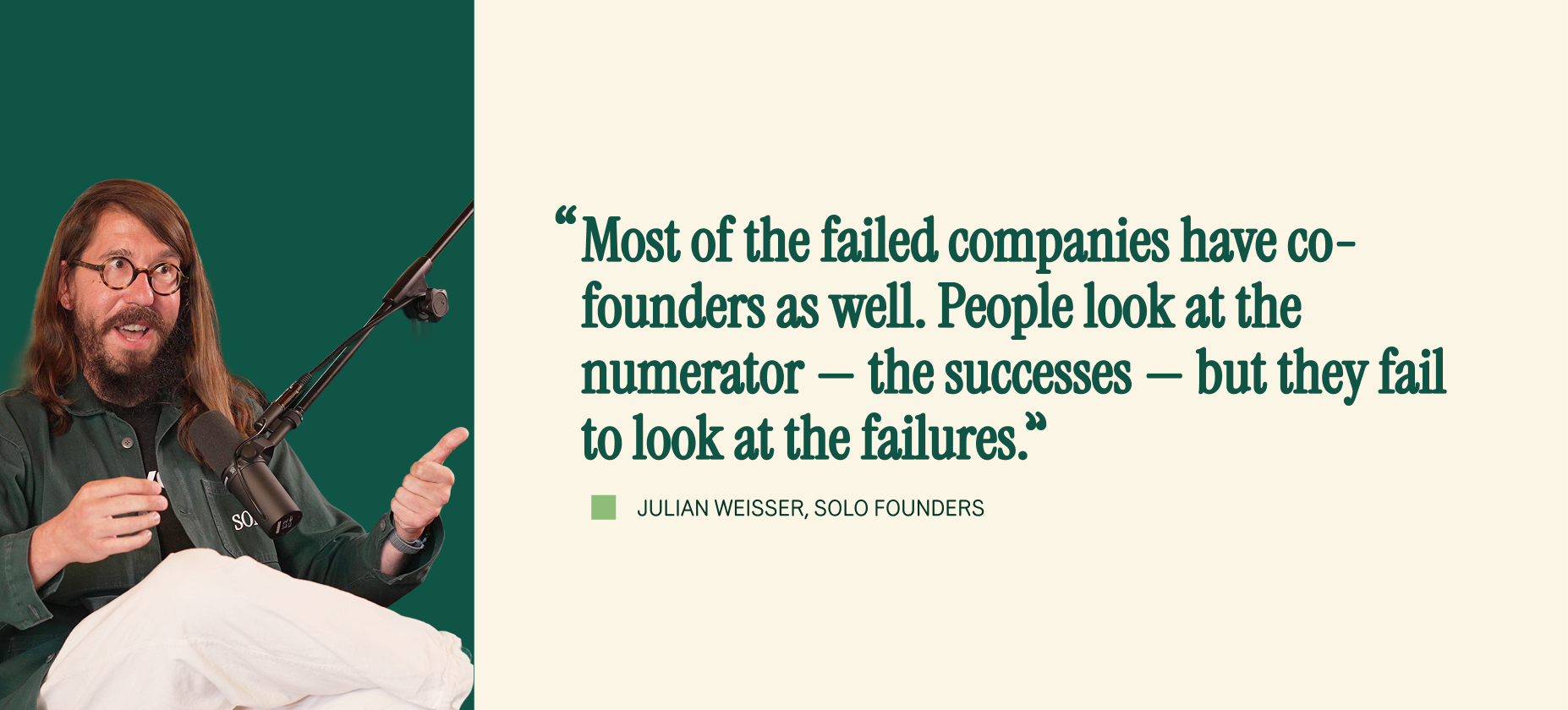
Once we use this framing, the common advice thins out. The "great co-founder pairing" still exists — Julian is emphatic that a truly aligned co-founder is a superpower — but he argues the bar should be far higher than the industry treats it. Taking on a co-founder because you think you're supposed to is what he calls a *co-founder of convenience*, and the downside is worse than going solo: years of your life spent, a company that implodes on interpersonal grounds, and no clean path back.
You Weren't Meant For the Factory
The second load-bearing idea is the essay Julian wrote recently: You Weren't Meant for the Factory. The factory isn't any single accelerator or VC. It's the industry playbook — co-founder first, Demo Day, raise on a schedule, hire after the round closes. The factory drives more of the same, but the best companies are always the ones that aren't.
What makes this metaphor work is Julian's insistence that the factory doesn't grab founders by the collar. Founders walk in on their own, then look up a year later and realize they've been building someone else's version of a startup. This is why Solo Founders doesn't run a Demo Day. Not because Demo Day is bad in the abstract — Julian concedes it's probably great for some companies — but because the program refuses to force a timing convention onto businesses whose shapes are all different.
True Solo, Free Solo, Juiced Solo
The most portable artifact of the episode is a three-part taxonomy.
True Solo has no human teammates — the category pioneered by Ben Cera of Polsia (ep01), now at $6M ARR with no human employees.
Free Solo is bootstrapped with a team — Yasser Elsaid of Chatbase (ep06), who has hit venture-scale metrics without ever raising.
Juiced Solo is the solo founder who raised money; the juice is the capital.
Julian is careful about the Juiced category not because raising is bad, but because founders routinely underestimate what taking outside money commits them to. A $2M check from a $2B fund comes with a very specific underwriting thesis about where the company needs to end up — and a lot of founders don't realize the fund is essentially holding an option on a much larger future round.
$100K and No Demo Day
The news of the conversation is that the next Solo Founders cohort will include a $100,000 check per founder. The number is specifically grounded: roughly the immigration threshold for founder visas, where close to half of past cohort members have landed. The money removes fundraising as a forced move. Founders who can get to revenue can keep going. Founders who need runway can take it. Founders who eventually want to raise can do so from a position of strength.
The line Julian uses to describe the program is worth repeating unedited: "We think of ourselves as a political organization as much as we are a business." What that means in practice is that he's willing to lose on short-term business KPIs if the result is more people actually starting companies. Normalizing solo founding is the work. The funding, housing, community, and program calendar are the delivery mechanism.
Companies Run Out of Hope Before They Run Out of Money
When David asks what actually kills startups, Julian skips the usual list (product-market fit, unit economics, talent) and goes straight to hope. Companies run out of hope long before they run out of money. The burn rate is the clock on the wall — the real failure happens when the founder can no longer carry the belief through a bad stretch.
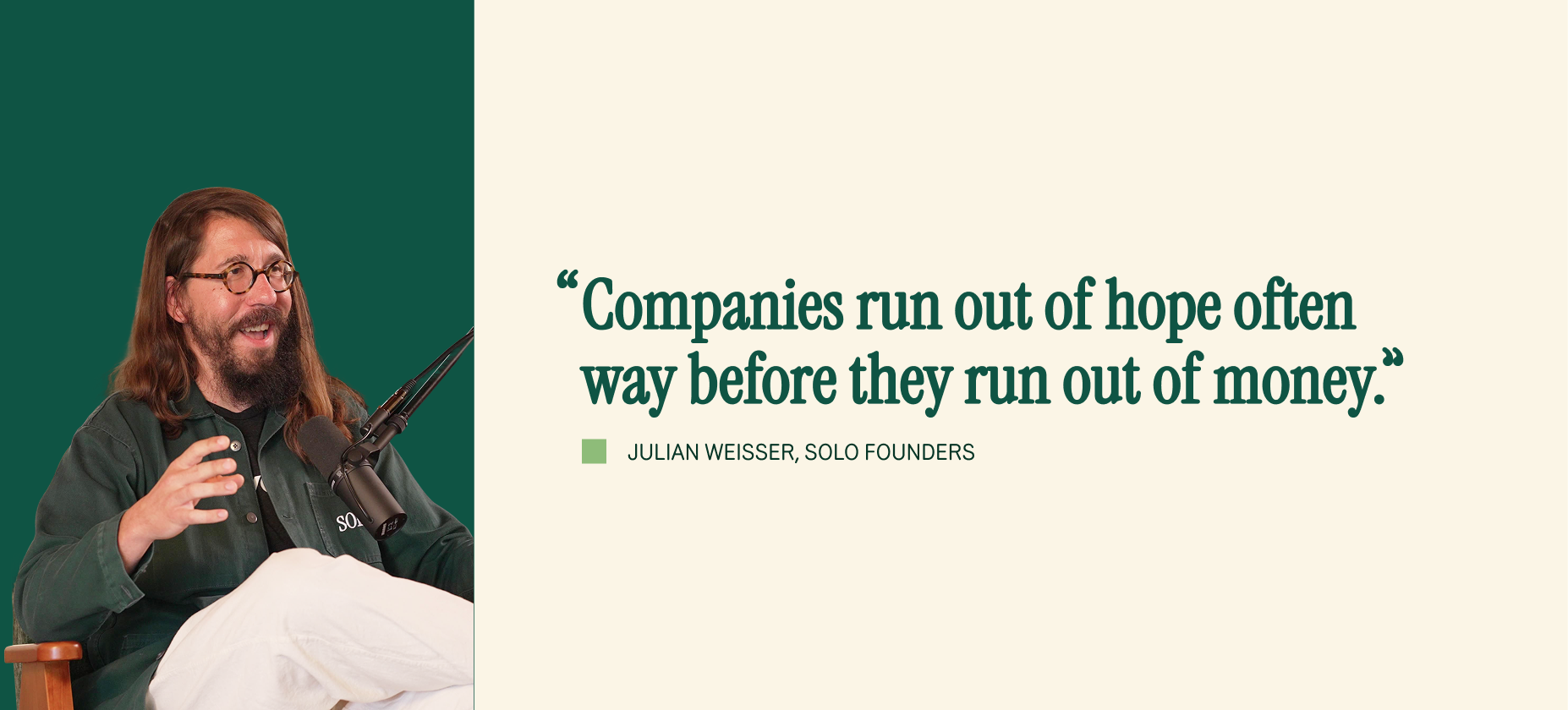
Co-founders can buoy each other in these moments. Julian has seen it. He's also seen the inverse: two co-founders pulling each other into a doom loop, each one's bad week reinforcing the other's. The better hope-maintenance system, in his experience, is people close to the founder but outside the company — a partner, other founders, a supportive investor who backed *the founder* rather than the cap table. Enough context to care, not so much that they drown with you.
The Bear Case and the Bull Case
Julian closes nearly every episode of this podcast by asking the guest for the bear and bull case on solo founding. It's fitting that he gets asked himself.
His bear case is honest, which is rare. Solo founding is hard mode. You don't have a motivational force that can match an exceptional co-founder. When you wake up and don't feel it, there's no one whose existence alone raises the bar. You can't fully outsource morale. And when life outside the company delivers a hit, a co-founder is the one person who can absorb some of what the company still needs. Some people can handle that mode. Some cannot. Know which one you are before you commit.
The bull case is shorter. It's a company that can only be yours — a product and team that are an extension of who you are, not a negotiated compromise. It's an organizational structure with two layers instead of three (Eugenia Kuyda's point from ep04 — the founding team gets more authorship when there's no middle stratum of co-founders). It's more generous founding-team equity by default. And it's the ability to make a critical decision in the seconds it takes, instead of the hours required to align.
"The company only dies if you do."
That's the line to take with you. A solo-founded company has one point of failure — but also one source of resilience. If you can manage your own hope, the company can survive almost anything that would have torn a two-founder team apart.
Solo Together
The closer is the phrase Julian keeps coming back to in private conversations, and it's now the implicit tagline of the Solo Founders Program: solo alone versus solo together. The case against solo founding usually rests on the loneliness of it. Julian's argument is that loneliness isn't intrinsic to solo founding — it's intrinsic to solo founding done without a support system.
"There is a big difference between being solo alone versus being solo together."
If one in three new companies are already solo-founded, and if Julian is right that the default is about to flip entirely, the winners in the next decade will be the founders who figured out how to build solo and together.
About Julian Weisser
Julian Weisser is the founder of Solo Founders and the host of the Solo Founders Podcast. Before Solo Founders, he co-founded On Deck and ran ODF — the On Deck Founders program — for 27 cohorts, helping more than 1,000 founders build companies that have collectively raised over $2 billion. A few years into ODF, he started noticing the "oddballs" — founders who joined the community but had no interest in matching with a co-founder. Watching them build successful companies — including Adeel Khan, whose Magic School is now used by at least one teacher in every school in America — led him to start Solo Founders. The next Solo Founders cohort, announced in this episode, includes $100,000 in funding per solo founder.
Subscribe to the Solo Founders Podcast on YouTube, Spotify, or Apple Podcasts.
Join our newsletter for weekly insights from solo founders.