The Solo GP Backing Solo Founders: Charles Hudson on Fundraising as a Solo Founder
Solo Founders Podcast — Episode 3 with Charles Hudson

Key Takeaways
- Between 25 and 30% of portfolio companies at Precursor Ventures lose a co-founder before Series A, creating dead equity and cap table damage
- A talented solo founder consistently outperforms a mismatched co-founding team in practice
- Solo founders shouldn't apologize for being solo. If it was an intentional decision, own it
- The loneliness of solo founding is dramatically underestimated by people who haven't done it
- Authorship and full accountability are underrated advantages that solo founders rarely talk about
Listen: YouTube | Apple Podcasts | Spotify
⸻
Introduction
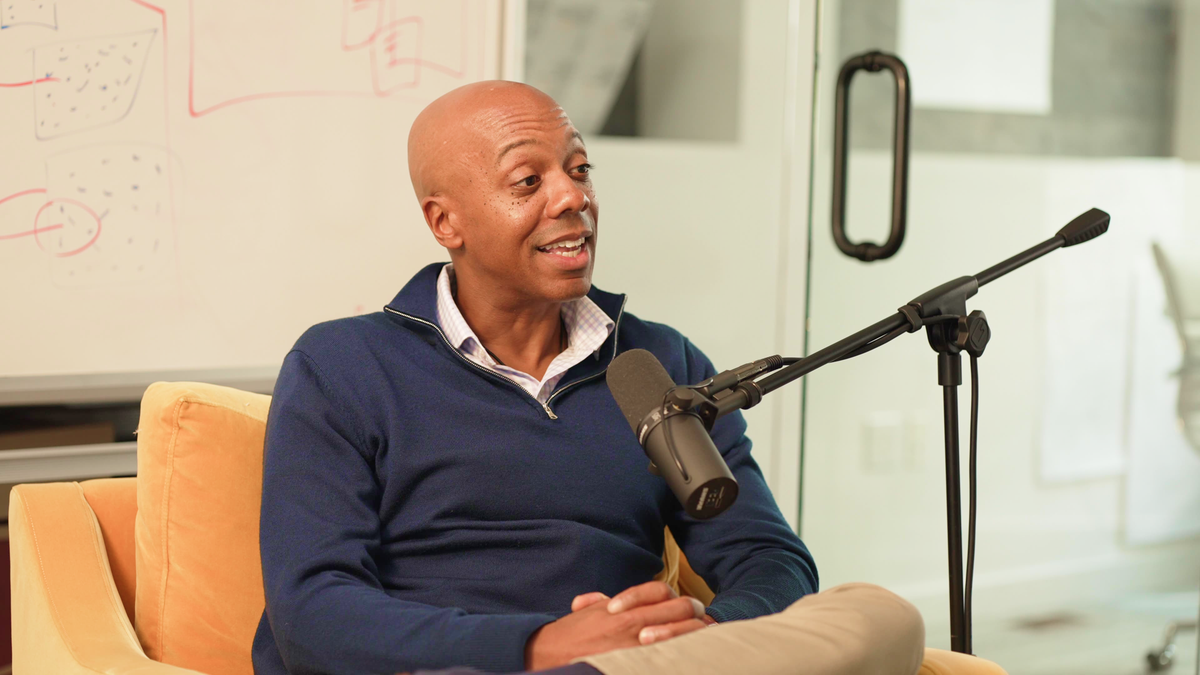
Charles Hudson has invested in over 500 companies as the solo GP of Precursor Ventures. He's seen more co-founder breakups than most people have seen pitch decks.
His data point stopped me cold: between 25 and 30% of the companies in his portfolio lose a co-founder before they reach Series A. That's not a rounding error. That's a structural problem with how the startup world thinks about teams.
In this conversation with Julian, Charles broke apart the conventional wisdom that every startup needs co-founders. He did it with the kind of specificity you only get from someone who's watched hundreds of companies up close. Not theory. Not blog posts. Actual outcomes from a portfolio of 500+ investments. This is the first time the Solo Founders Podcast has had a VC on, and Charles brought a perspective that challenges much of what investors tell founders behind closed doors.
The Co-Founder Breakup Problem
The startup ecosystem has a co-founder obsession. Accelerators want teams. Investors pattern-match on two-person founding stories. The conventional narrative says you need a co-founder, full stop.
Charles has the receipts to challenge that. Across 500+ investments at Precursor, he's watched the co-founder dynamic play out repeatedly, and the failure mode is more common than anyone admits. A quarter to a third of his portfolio companies lose a co-founder before Series A.
"Between 25 and 30% of our portfolio companies lose a co-founder before series A."
When a co-founder leaves early, the damage isn't just emotional. It's structural. Dead equity sits on the cap table. The remaining founder is now running the company solo anyway, but with less equity than if they'd started alone. The company carries the scar of the breakup into every future fundraise, every board meeting, every hiring conversation.
Resentment: The Slow Poison
Charles described a pattern he's seen across dozens of companies. Co-founder conflict doesn't start with a blowup. It starts small. A disagreement that doesn't get resolved. A feeling that the work isn't evenly distributed. A sense that one person is getting more credit.
"Resentment starts off small. And it's like the little seed of resentment grows."
The rivalry and resentment dynamic is something investors see from the outside but rarely intervene on until it's too late. By the time a co-founder conflict reaches the board, the relationship is usually past saving. Charles has watched this play out enough times to know that the presence of a co-founder isn't inherently stabilizing. Sometimes it's the opposite.
Why Solo Founders Get Underrated
Investors have a bias, and Charles is honest about it. When a solo founder walks into a pitch meeting, many investors immediately wonder what's wrong. Why couldn't they find someone to join them? Is this person difficult to work with?
Charles thinks this framing is backward. The question shouldn't be "why are you alone?" It should be "are you good enough to do this?"
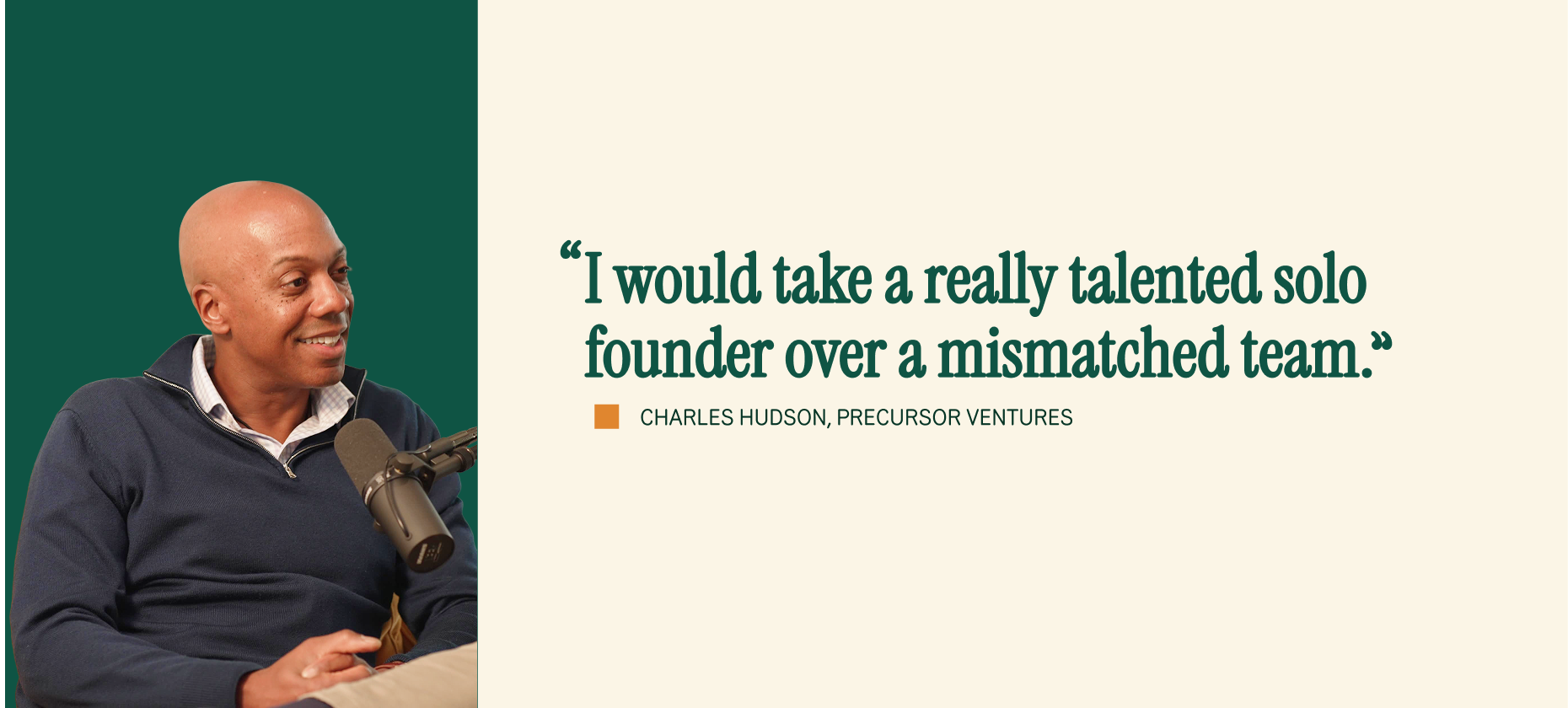
The "team sport" framing gets misapplied constantly. Charles offered a reframe that stuck with me: "Tennis is a team sport. But if you're playing singles tennis, no one else is going to serve for you." Startups can be a team sport with one person at the top making the calls. The sport metaphor doesn't require a co-founder. It requires capability.
There's also what Charles called the "denominator delusion." People look at successful companies with co-founders and assume the co-founder was the reason for success. They don't count all the companies with co-founders that failed. The denominator is massive, and most of those companies are dead.
The Case Against Giving Away 40%
One of the most practical pieces of advice Charles gave was about equity. He's watched founders give away enormous chunks of their company to someone just to have a co-founder on the cap table when they go fundraise. The logic: investors want to see a team, so I'll bring on a co-founder to check the box.
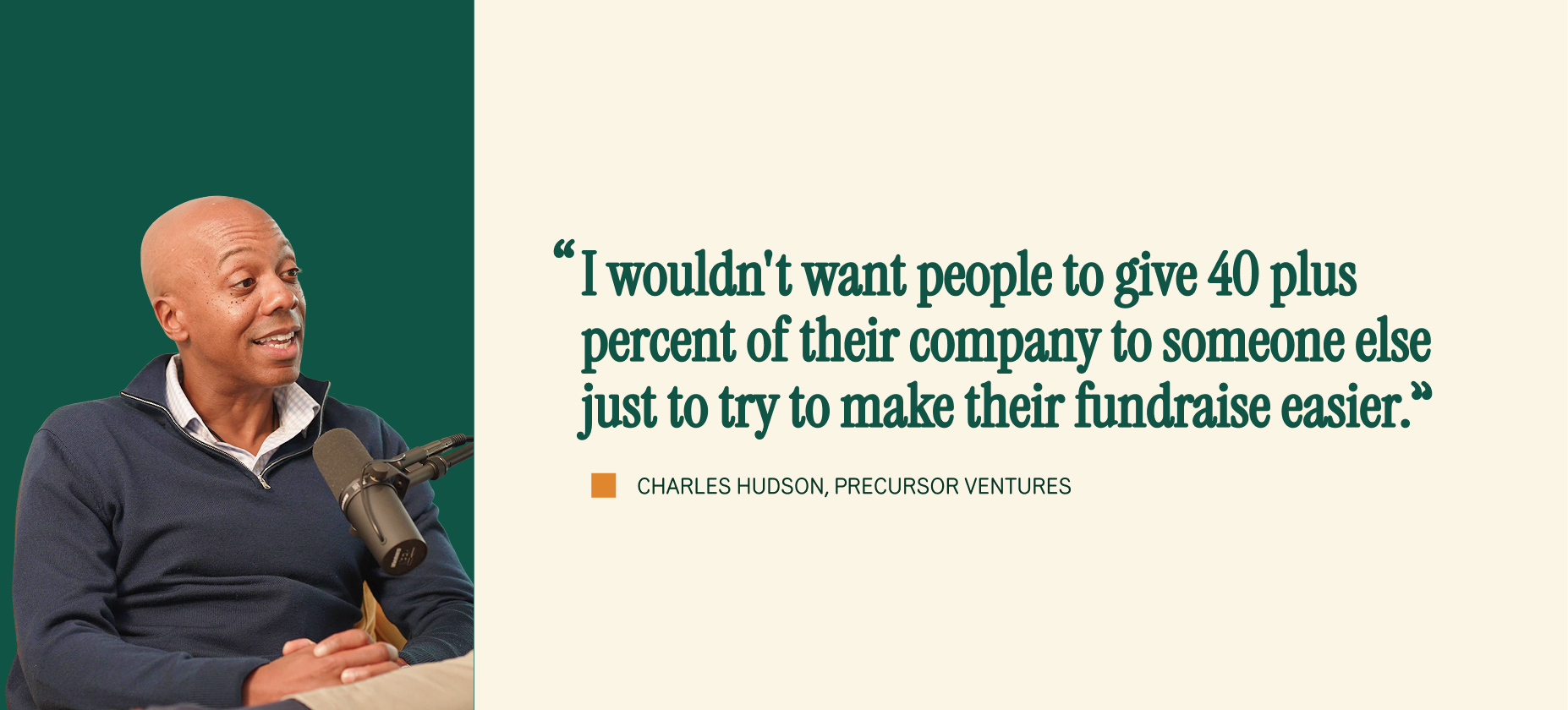
Charles was direct about this. If the only reason you're bringing on a co-founder is to make your fundraise easier, you're solving the wrong problem. You're trading long-term ownership for short-term optics. And if that co-founder leaves (which, remember, happens 25-30% of the time), you've just given away equity for nothing.
Authorship: The Word That Captures It
There's a concept that came up in the conversation that Julian and Charles both landed on: authorship. When you're a solo founder, the company is yours in a way that's different from having a co-founding team. Every decision, every culture choice, every strategic bet traces back to you.
"Authorship is actually the perfect word."
This cuts both ways. If something is broken, you can't blame a co-founder's domain. You created it or you allowed it to happen. Charles framed it as full empowerment: "If there's something in my company that I don't like, you're fully empowered to fix it because you either created it or allowed it to happen." That level of ownership is rare, and it produces a different kind of company.
Don't Apologize for Being Solo
Charles was emphatic on this point. Solo founders spend too much energy explaining why they don't have a co-founder. They preemptively defend the choice in pitch meetings, in conversations with other founders, in their own heads.
"If you're a solo founder and it was an intentional decision, you shouldn't have to qualify or explain it."
This is one of those pieces of advice that sounds obvious but isn't. The startup ecosystem puts constant pressure on solo founders to justify their structure. Charles, who has bet on solo founders hundreds of times with real money, says stop doing that. If you made the decision intentionally, own it and move on to the substance.
The Solo GP / Solo Founder Kinship
There's a reason Charles has such a sharp perspective on solo founding. He's living a version of it. As a solo GP running Precursor Ventures, he knows what it's like to be the single decision maker, the person who can't share the full weight of the job with a partner.
He quoted something a co-founding pair once told him about their relationship: "We both never wanted to quit on the same day." As a solo GP, that safety net doesn't exist. The kinship between solo GPs and solo founders is real, built on the shared experience of carrying something alone.
The Loneliness Problem
Charles didn't sugarcoat this part. The emotional reality of solo founding is harder than people imagine. Not a little harder. An order of magnitude harder.
"Their perception of how lonely and isolated it would feel is about one tenth of what they actually experience."
People considering solo founding think they understand the loneliness. They don't. The gap between what you expect and what you actually feel is enormous. This isn't a reason not to do it, but it's a reason to go in with your eyes open and your support systems in place.
Bear Case, Bull Case
Charles gave both sides. The bear case: solo founders face real limitations at scale. Decision-making bottlenecks. No one to challenge your thinking. The loneliness compounds. People overestimate the value of deliberation, but sometimes you genuinely need a thought partner.
The bull case: speed, clarity, full ownership, and the accountability that comes from authorship. A single decision maker who's good enough can build something extraordinary. The data doesn't support the idea that co-founders are required. And the damage from a bad co-founder match is worse than the risk of going solo.
About Charles Hudson
Charles Hudson is the founder and managing partner of Precursor Ventures, a seed-stage venture capital firm focused on investing in early-stage software and hardware companies. As a solo GP, he has invested in over 500 companies. Before Precursor, Charles was a partner at SoftTech VC (now Uncork Capital) and held senior roles at Google and Genentech. He is one of the most active seed investors in the country and a longtime advocate for backing founders others overlook.
Subscribe to the Solo Founders Podcast on YouTube, Apple Podcasts, or Spotify.